Card careStart here
How to Protect Trading Cards: Sleeves, Toploaders, Binders, Boxes
How to protect trading cards: sleeves for play, toploaders for valuable cards, binders for display, boxes for bulk, and the room conditions to store them in.
We earn from qualifying purchases through links on this page. How we make money.
At a glance
- For cards you play
- Deck sleeves, all the same design
- For valuable singles
- Penny sleeve, then a toploader
- For display
- 9-pocket pages, PVC-free
- Storage conditions (Library of Congress)
- Cool, dry and stable, out of sunlight
Match the protection to how you use the card. Sleeve every card you play, and keep all sleeves in a deck identical. Put a valuable single in a penny sleeve, then a rigid toploader. Store a collection you want to browse in PVC-free 9-pocket pages, and keep bulk in cardboard storage boxes somewhere cool, dry and out of direct sunlight.
Each step below has its own page with sizes and product details. Start with the one that matches the cards in front of you.
Pick what you need to protect
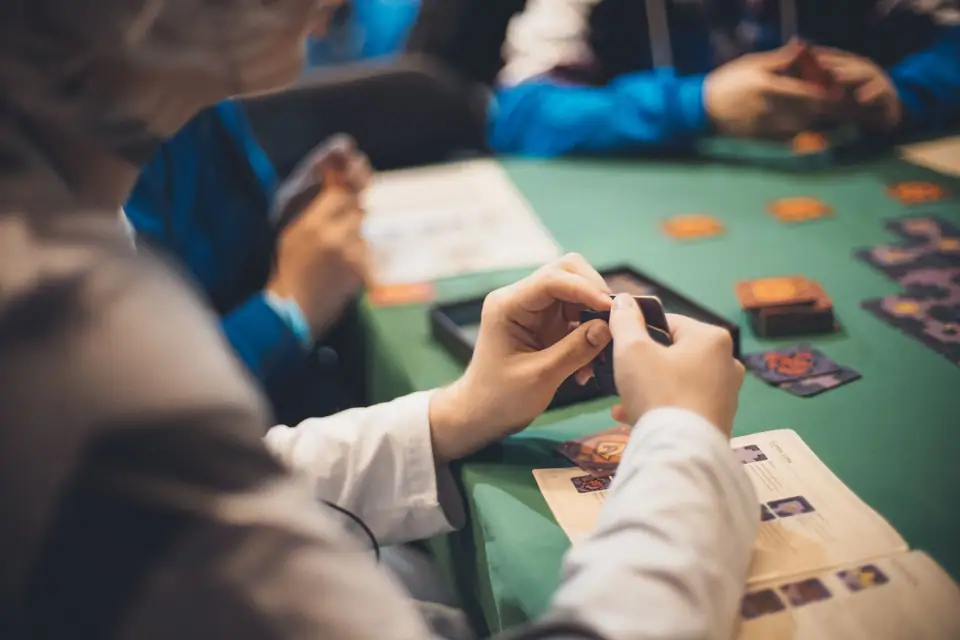
The four kinds of protection
| Card | Protection | Why |
|---|---|---|
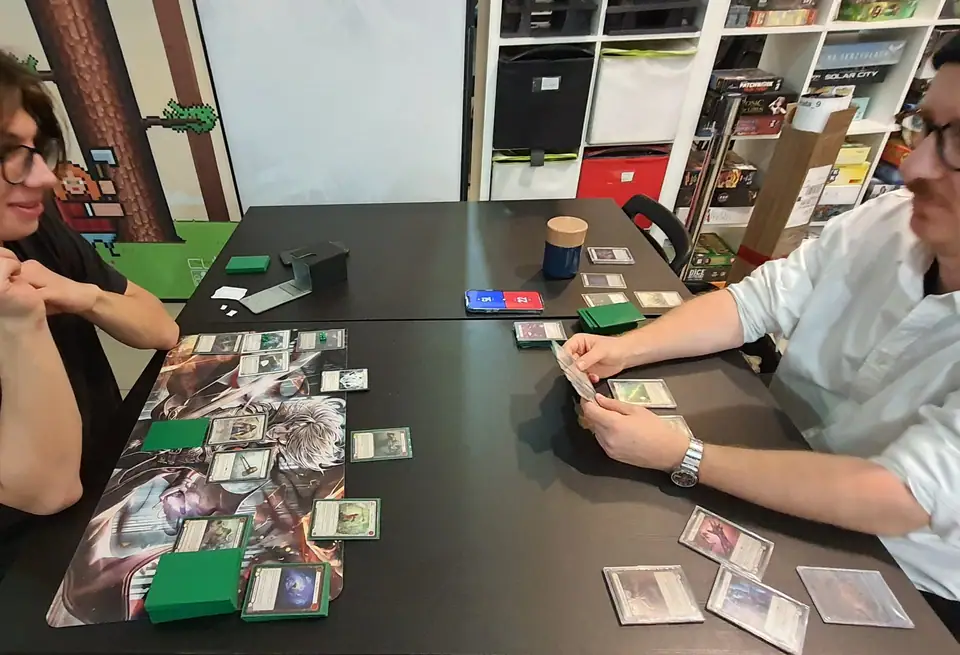
| Cards in a deck you play | Deck sleeves of one design | Stops wear when shuffling, and matching sleeves keep cards from being marked |
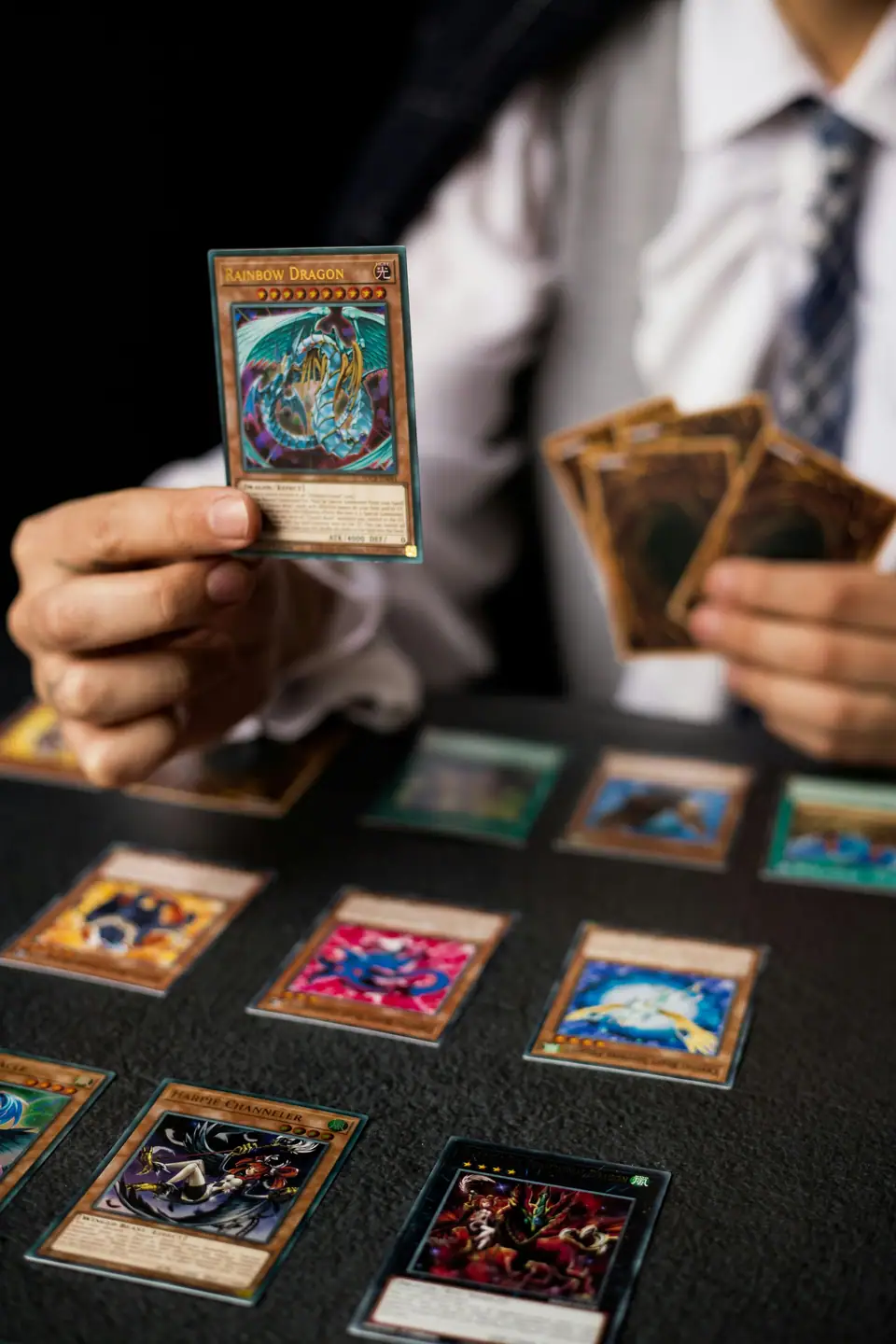
| A valuable single | Penny sleeve, then a 3 x 4 inch toploader | A rigid shell stops bends; the sleeve stops scratches inside it |
| A collection you browse | 9-pocket binder pages, PVC-free | Keeps cards flat and visible |
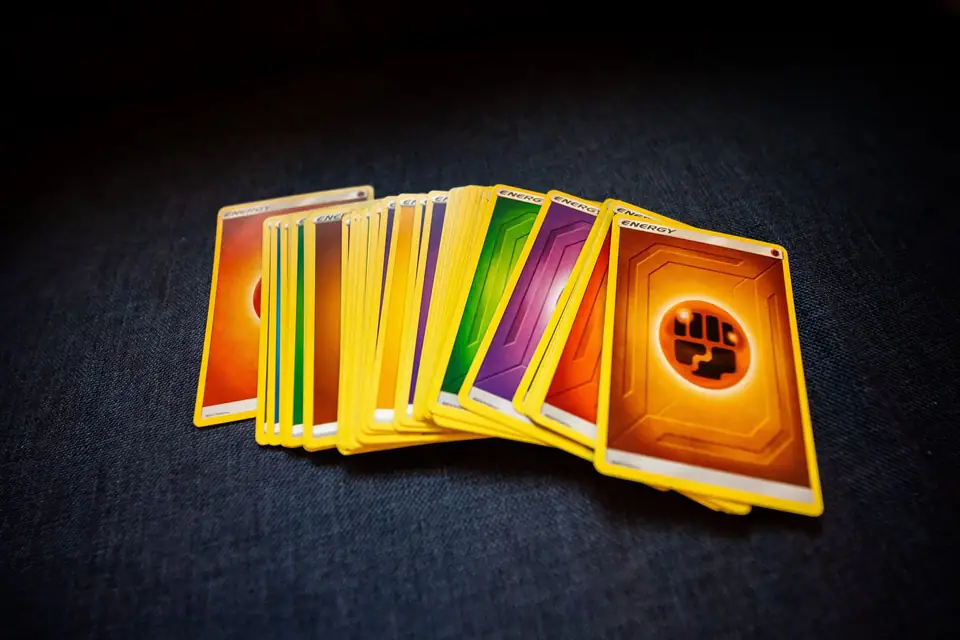
| Bulk commons | Cardboard storage box | Many cards, little space |
Sleeves for every card you play
Shuffling wears card edges. A deck sleeve covers the card while you play, and Konami’s rulebook adds a fairness reason: if you use sleeves, they all have to be the same so your cards are not marked. Sleeve sizes differ by game. Sleeve makers list Pokemon, Lorcana and Flesh and Blood as standard-size cards, while Yu-Gi-Oh! cards are smaller; card sleeve sizes has the measurements.
Standard size card sleeves
Live listings, shown by eBay
Opens eBay in a new tab. Check condition, seller feedback and returns.
Toploaders for the cards that matter
A toploader is a rigid plastic holder. BCW’s standard 3 x 4 inch toploader fits cards up to 35 points thick. Slide the card into a thin penny sleeve first so it does not scratch against the toploader’s inside. Our page on sleeves and toploaders covers thicker cards and the semi-rigid holders grading companies ask for.
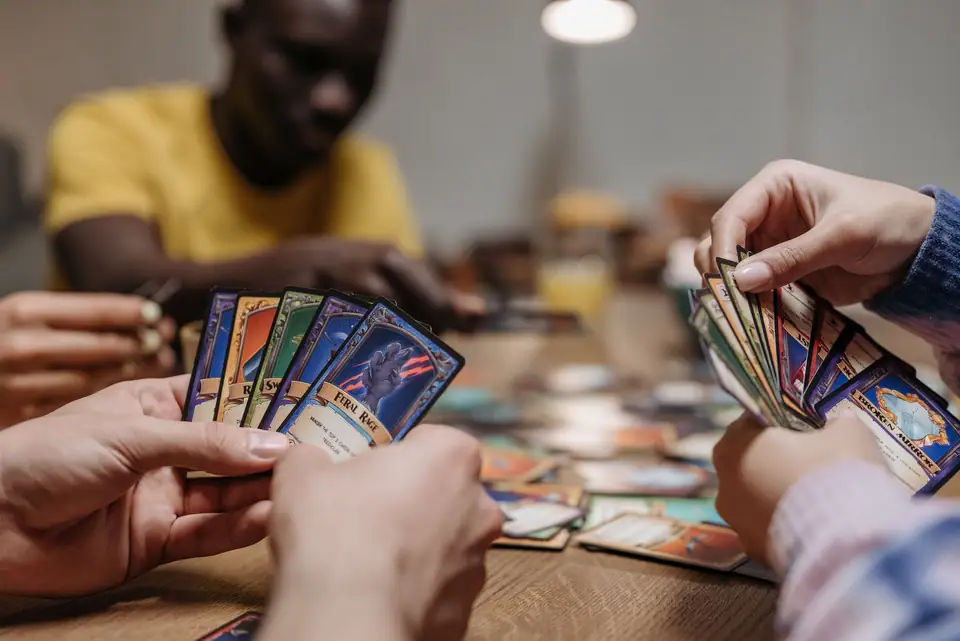
Cards in play take the most wear: shuffling, sliding across a table and being held in a fan. Sleeves deal with that.
Cards that never leave the binder or box mostly face slow damage from heat, damp and light. Storage conditions deal with that.
Binders and boxes for a collection
Binder pages keep cards flat and on view. Ultra PRO describes its premium 9-pocket pages as non-PVC, acid-free polypropylene with side-loading pockets that help stop cards falling out. Read trading card binders for page types and capacity. For hundreds of commons, cardboard count boxes hold far more per shelf; see trading card storage boxes.
Avoid PVC
The Library of Congress says never to store photographs in polyvinyl chloride (PVC) enclosures, and names polypropylene, polyethylene and uncoated polyester as suitable plastics. It also warns that “acid-free” or “archival” labels alone do not prove a product is safe. Check that card pages say PVC-free.
Sleeves inside a binder
You can combine layers. A card in a deck sleeve can go into a binder page made for sleeved cards: Ultra PRO rates its 9-pocket zippered binder at 180 cards in deck sleeves, and Dragon Shield gives separate single- and double-sleeved capacities for its Zipster binder. Check the rating before you buy, because a pocket sized for bare cards will be too tight for sleeved ones.
Where to keep them
The Library of Congress gives storage advice for photographs, which are paper-based like cards. It recommends a relatively dry (30 to 50 percent relative humidity), cool (70°F or below) and stable environment, and says to avoid attics, basements, and spots near vents, fireplaces, radiators or exterior walls. It notes that light damage is cumulative and that sunlight and ultraviolet light are especially damaging.
In practice that means a closet shelf in a room you live in, boxes off the floor, and binders out of sunny windows.
Protection by game
The game decides the sleeve size and how many cards a deck box has to hold. Deck sizes come from each publisher’s rules; sleeve sizes from the sleeve makers.
| Game | Deck to sleeve | Sleeve size |
|---|---|---|
| Pokemon | Exactly 60 cards | Standard, about 66 x 91 mm |
| Disney Lorcana | At least 60 cards | Standard |
| Flesh and Blood (Blitz) | 40 cards plus hero, weapons and equipment | Standard |
| Yu-Gi-Oh! | 40 to 60 cards, plus Extra and Side Decks | Japanese size, about 62 x 89 mm |
Read which trading card game to start for the full deck rules of each game, including the One Piece Card Game.
As a collection grows
Here is how the protection changes as a collection grows.
- The first deck. One pack of matching sleeves and a deck box. A Pokemon Elite Trainer Box already includes 65 sleeves and a storage box.
- The first booster box. Hundreds of new cards. Sleeve the ones you play, put the best in a binder, and start a count box for the rest. A Pokemon booster box alone produces 360 game cards.
- The first valuable card. A penny sleeve and toploader, kept upright in a box out of the light.
- A card worth proving. A semi-rigid holder and a grading submission.
At every stage the same storage rules apply: cool, dry, stable and dark.
When you play
Two accessories travel with a deck: a deck box sized for your sleeved cards, and a playmat that keeps cards off a rough or damp table. And if a card is valuable enough to grade, how card grading works explains what graders such as PSA and CGC look at.
Frequently asked questions
What is the best way to protect trading cards?
Match the protection to the card. Sleeve every card you play, put valuable singles in a penny sleeve and then a toploader, keep a collection you want to look at in 9-pocket binder pages, and store bulk in cardboard storage boxes kept cool, dry and out of sunlight.
Do you put a card in a sleeve before a toploader?
Yes. Slide the card into a thin penny sleeve first, then into the toploader. PSA's shipping steps follow the same idea: a penny sleeve first, then a semi-rigid holder.
Where should I not store trading cards?
Library of Congress guidance for photographs, which are also paper-based, says to avoid attics, basements, and spots near vents, fireplaces, radiators or exterior walls. A closet shelf in a lived-in room is a better choice.
Are PVC binder pages bad for cards?
The Library of Congress says never to use PVC enclosures for photographs and lists polypropylene, polyethylene and uncoated polyester as suitable plastics. Most card pages are polypropylene; check the label says PVC-free.
Sources
- Care, Handling and Storage of PhotographsLibrary of Congress
- Information Leaflet on the Care, Handling, and Storage of PhotographsLibrary of Congress
- 3x4 Topload Card Holder - StandardBCW Supplies
- Premium Series 9-Pocket Side Load PagesUltra PRO
- Yu-Gi-Oh! TRADING CARD GAME Official Rulebook, Version 10Konami
- Shipping GuidePSA
- Black - Matte SleevesDragon Shield
- Katana Sleeves Japanese Size (60)Ultimate Guard
- An Introduction to DeckbuildingPokemon.com
- Disney Lorcana TCG Comprehensive Rules (effective May 27, 2025)Ravensburger
- BlitzLegend Story Studios
Filed under Card care
Read next
Card Sleeve Sizes: Which Sleeves Fit Pokemon, Yu-Gi-Oh! and Lorcana
Standard sleeves (about 66 x 91 mm) fit Pokemon, Lorcana and Flesh and Blood cards; Yu-Gi-Oh! needs Japanese-size sleeves. Sizes, thickness, double sleeving.
How Does Trading Card Grading Work? PSA and CGC Explained
Card grading explained: authentication, then a 10-point grade for centering, corners, edges and surface. How PSA and CGC define a 10 and how to send a card.
Sleeves and Toploaders: How to Protect a Valuable Trading Card
Put the card in a penny sleeve, then a 3 x 4 inch toploader. Sizes, thickness in points, and why PSA asks for semi-rigid holders instead of toploaders.
Trading Card Binders: Which Binder Keeps Pokemon Cards Safe?
What to look for in a trading card binder: 9-pocket side-loading pages, PVC-free polypropylene, a zip closure and room for sleeved cards. For Pokemon and more.