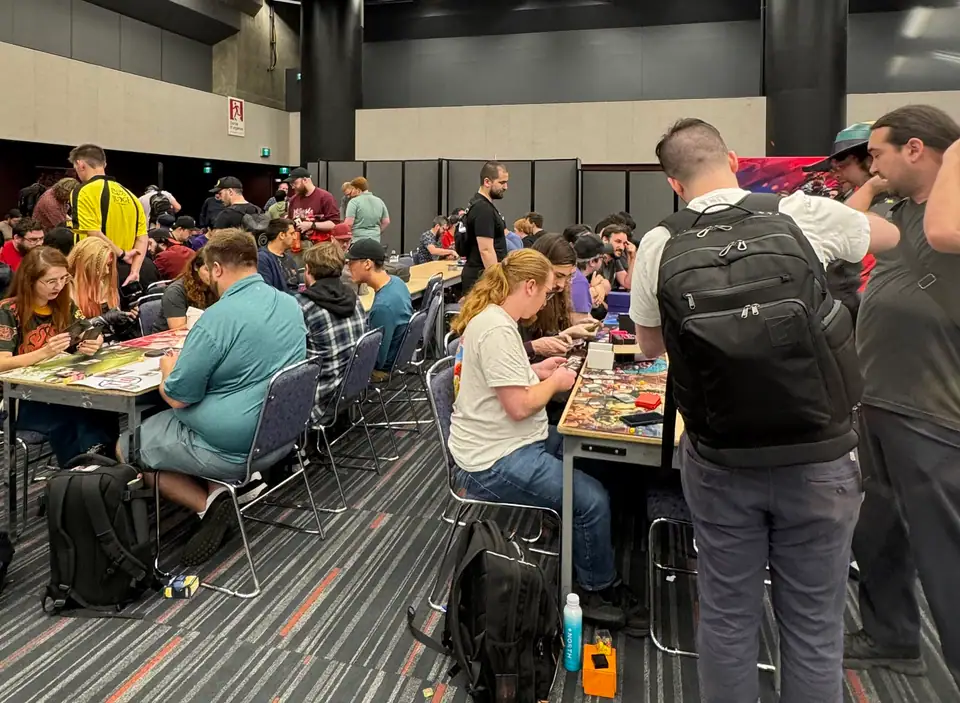
Yu-Gi-Oh!Compared
Yu-Gi-Oh! Structure Deck vs Starter Deck: Which to Buy First
Yu-Gi-Oh! Starter Decks are built for new Duelists; Structure Decks for players who know the rules. What each contains, and which one to buy first.
We earn from qualifying purchases through links on this page. How we make money.

At a glance
- Starter Deck is for
- New Duelists learning the rules
- Structure Deck is for
- Intermediate and expert Duelists
- Cards in either
- A full Deck of at least 40
- Same name, same cards?
- Yes, no random cards
Buy a Starter Deck if you are new to Yu-Gi-Oh!: Konami builds them with easy-to-use cards for Duelists who are learning the rules. Buy a Structure Deck once you know how a duel works: Konami designs them for more advanced Duelists, with more complicated effects. Both are ready to play, with at least 40 cards and no random contents.
Konami’s “New to Yu-Gi-Oh!” guide explains both product lines. The key point for a buyer is that neither is a gamble: every copy of a deck with the same name holds the same cards.
Side by side
| Feature | Starter Deck | Structure Deck |
|---|---|---|
| Made for | Duelists learning the rules | Intermediate and expert Duelists |
| Card effects | Easy to use | More complicated, with more complex combinations |
| Deck size | At least 40 cards | At least 40 cards |
| Extras | Beginner’s Guide and a paper Game Mat | Double-sided Dueling Guide and a Game Mat |
| Random cards? | No | No |
Sealed Yu-Gi-Oh! Structure Decks
Live listings, shown by eBay
Opens eBay in a new tab. Check condition, seller feedback and returns.
What a Starter Deck is for
Konami says Starter Decks “generally contain cards that work well together but are nevertheless easy to use,” which makes them suited to young Duelists starting to learn the rules and basic strategy. The Beginner’s Guide and paper Game Mat walk a new player through a first duel.
For two new players at once, Konami sells a 2-Player Starter Set: two different 44-card decks (each a 40-card Main Deck plus a 4-card Extra Deck) and a 64-page comic that teaches a duel.
What a Structure Deck is for
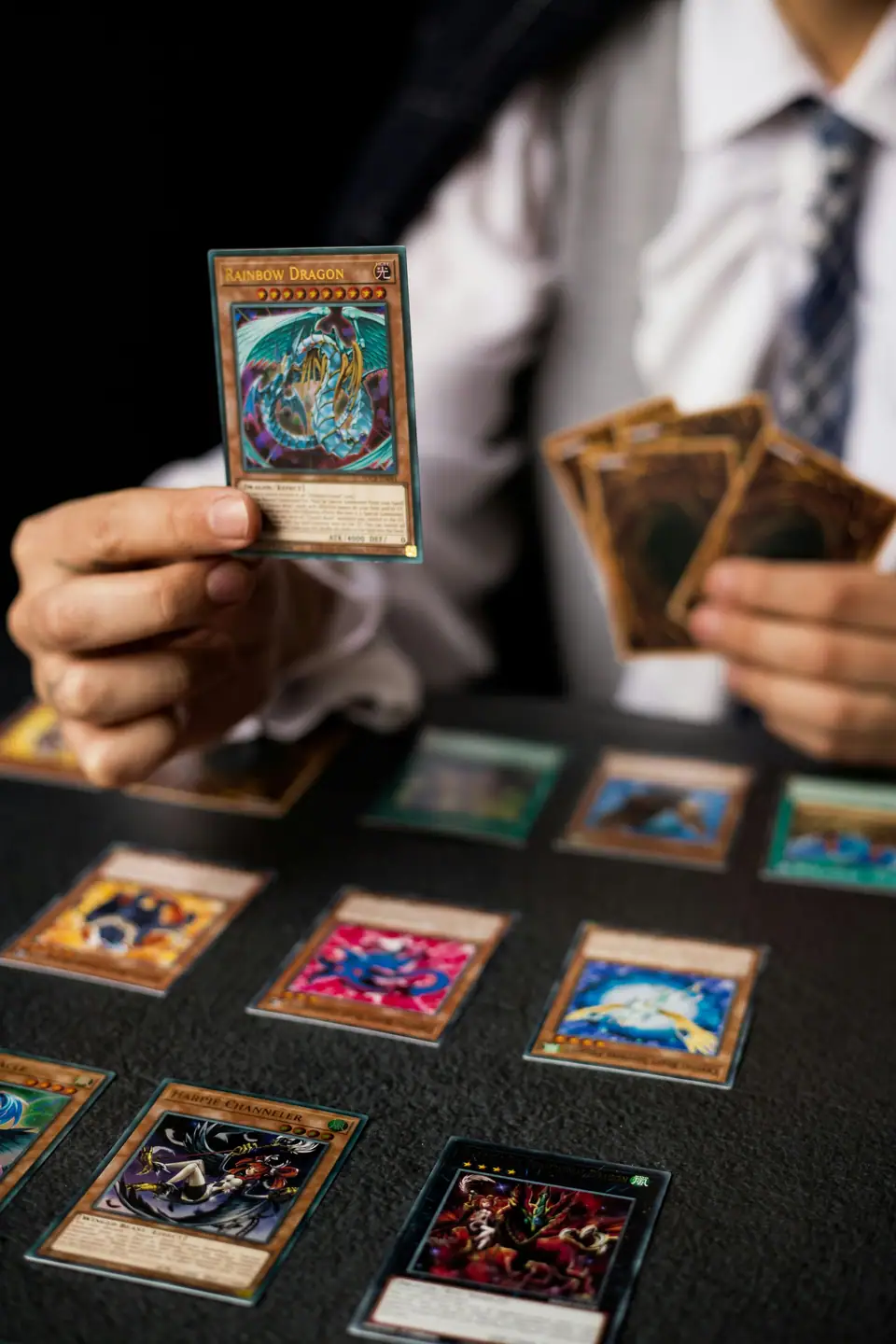
Konami describes Structure Decks as decks for more advanced Duelists. The cards usually have more complicated effects, and the ways they work together are more complex than in a Starter Deck. Each one is built around a theme or strategy.
A typical example is Structure Deck: Albaz Strike, which Konami lists with 46 cards (a 40-card Main Deck and a 6-card Extra Deck) plus 5 special Tokens. Contents vary by deck, so check the product page for the one you want.
Good to know
Konami’s guide points to customizing a Structure Deck as the next step. Because every copy of a deck is identical, a second copy of the same deck gives you more copies of its key cards to build with.
Other ready-to-play decks Konami sells
Starter and Structure Decks are not the only sealed decks. Konami’s guide also describes:
- Egyptian God Decks: which Konami calls “great for new and returning players.”
- Speed Duel Starter Decks: for the Speed Duel format. Konami lists Speed Duel Starter Decks: Ultimate Predators with 30 cards and 2 Skills in each deck.
- The 2-Player Starter Set: two different 44-card decks and a 64-page comic that teaches a duel, as covered above.
Speed Duel decks are built for Speed Duel rather than the standard game, so check which format your friends or local store play before you buy one.
Building on your first deck
The official rulebook sets the limits you will build toward:
| Part of the deck | Size |
|---|---|
| Main Deck | 40 to 60 cards |
| Extra Deck | 0 to 15 cards |
| Side Deck | 0 to 15 cards |
A Structure Deck already fills the 40-card minimum and can come with an Extra Deck; Albaz Strike includes 6 Extra Deck cards. From there, players add cards from booster packs or a second copy of the same deck. Because every copy is identical, buying the same Structure Deck twice is a predictable way to get more copies of its key cards.
Where to buy and play
Konami says Yu-Gi-Oh! TCG products are sold at local hobby and comic stores, mass-market retailers and specialty stores. It also runs a network of Official Tournament Stores: game stores that partner with Konami for products, tournaments and community events. Konami says these stores may sell new products 2 days before the official release date.
Konami’s website has a store locator for Official Tournament Stores, linked from its “New to Yu-Gi-Oh!” guide. A local store like this is the easiest place to find other players at your level, and to see which decks they bring. Bring a sleeved deck: a Starter Deck for casual games while you learn, or a Structure Deck you have started to customize for events.
Good to know
Konami says Official Tournament Stores also get exclusive access to special products such as OTS Tournament Packs. Ask at the counter what a new player needs for the store’s next event before you buy.
Which to buy first
- Brand new to the game, or buying for a child: a Starter Deck or the 2-Player Starter Set.
- You already know the rules from a friend or the video games: a Structure Deck built around a strategy you like.
- You want to play at a store event: a Structure Deck gives you a stronger base to customize toward the 40 to 60 cards the rulebook allows in a Main Deck.
Protect the deck from day one
The official rulebook says that if you use card sleeves, they must all be the same so your cards are not marked. Yu-Gi-Oh! cards are smaller than Pokemon cards, so they need small (Japanese size) sleeves. Our guide to card sleeve sizes explains the difference, and how to read a Yu-Gi-Oh! card’s rarity covers the foil details worth knowing before you trade.
Frequently asked questions
What is the difference between a Yu-Gi-Oh! Structure Deck and a Starter Deck?
Konami describes Starter Decks as easy-to-use decks for Duelists who are learning the rules, and Structure Decks as decks for more advanced Duelists, with more complicated card effects that work together in more complex ways. Both are ready to play with at least 40 cards.
Are Structure Decks random?
No. Konami says each Structure Deck with the same name contains the exact same cards, so you know what you are getting before you open it.
Can you play a Structure Deck straight out of the box?
Yes. Konami says Structure Decks contain everything you need to start playing, including a full Deck, a Dueling Guide and a Game Mat. Many players then customize them with cards from booster packs.
How many cards are in a Yu-Gi-Oh! deck?
The official rulebook says the Main Deck must be 40 to 60 cards. An Extra Deck and a Side Deck can each hold up to 15.
Sources
Filed under Yu-Gi-Oh!
Read next
How to Tell a Yu-Gi-Oh! Card's Rarity and Edition
Read a Yu-Gi-Oh! card's rarity from its foil: name, art and borders. Plus what the gold or silver security foil says about First and Unlimited Editions.
How to Protect Trading Cards: Sleeves, Toploaders, Binders, Boxes
How to protect trading cards: sleeves for play, toploaders for valuable cards, binders for display, boxes for bulk, and the room conditions to store them in.
Which Trading Card Game Should You Start? Seven Games Compared
Pokemon, Yu-Gi-Oh!, Disney Lorcana, One Piece, Flesh and Blood, Star Wars: Unlimited and Digimon compared: deck sizes, starter products and how each game plays.
Card Sleeve Sizes: Which Sleeves Fit Pokemon, Yu-Gi-Oh! and Lorcana
Standard sleeves (about 66 x 91 mm) fit Pokemon, Lorcana and Flesh and Blood cards; Yu-Gi-Oh! needs Japanese-size sleeves. Sizes, thickness, double sleeving.